The gaming industry in Croatia has experienced strong growth in recent years, along with significant structural changes. According to the latest video game industry analysis, 2024 was the most successful year since tracking began, with total revenues reaching €72.4 million. This surpassed the previous record set in 2020 and represents a doubling compared to 2019.
According to the Croatian Video Game Industry Analysis, conducted by the Croatian Game Developers Association (CDGA) in collaboration with A1 Croatia, as many as 86% of gaming studios are currently working on at least one project that is their own intellectual property. This indicates that the industry is largely production-oriented.
More than half of the average gaming studio’s revenue in Croatia comes from client work (outsourcing), while less than a quarter of total revenue in 2024 was generated from the sale of their own video games. These results highlight that marketing remains an area with significant room for improvement, which could lead to even higher revenues. Encouragingly, optimism within the industry remains strong, with half of the surveyed studios expecting further revenue growth.
At the same time, the industry is undergoing a transformation. Changes are visible in company structures, employment models, project financing, and overall business organization.
“One of the most noticeable trends is the shift in business structures. Over the past three years, the number of registered companies involved in video game development has decreased, while the number of sole proprietorships in the sector has more than doubled. This suggests that many development teams are moving towards smaller and more flexible structures. Changes are also visible in employment. For the first time since systematic tracking began, there has been a decline in the number of full-time employees in the sector. In 2024, that number dropped by around 2% compared to the previous year, although this was offset by an increase in the number of people working through sole proprietorships,” said Aleksandar Gavrilović, member of the CDGA Board.
The research confirmed the strong potential of the gaming industry in Croatia, which has become one of the most dynamic segments of digital entertainment and an important part of modern culture, especially among younger generations. Recognizing this potential, A1 Croatia continues to actively contribute to the development of the gaming community and the connection between the industry and young talent through various initiatives.
In 2026, A1 is further strengthening its efforts with a refreshed and rebranded approach. The focus is on expanding the perception of gaming – not as a space reserved exclusively for professional esports players, but as an accessible and inclusive form of entertainment and digital expression.
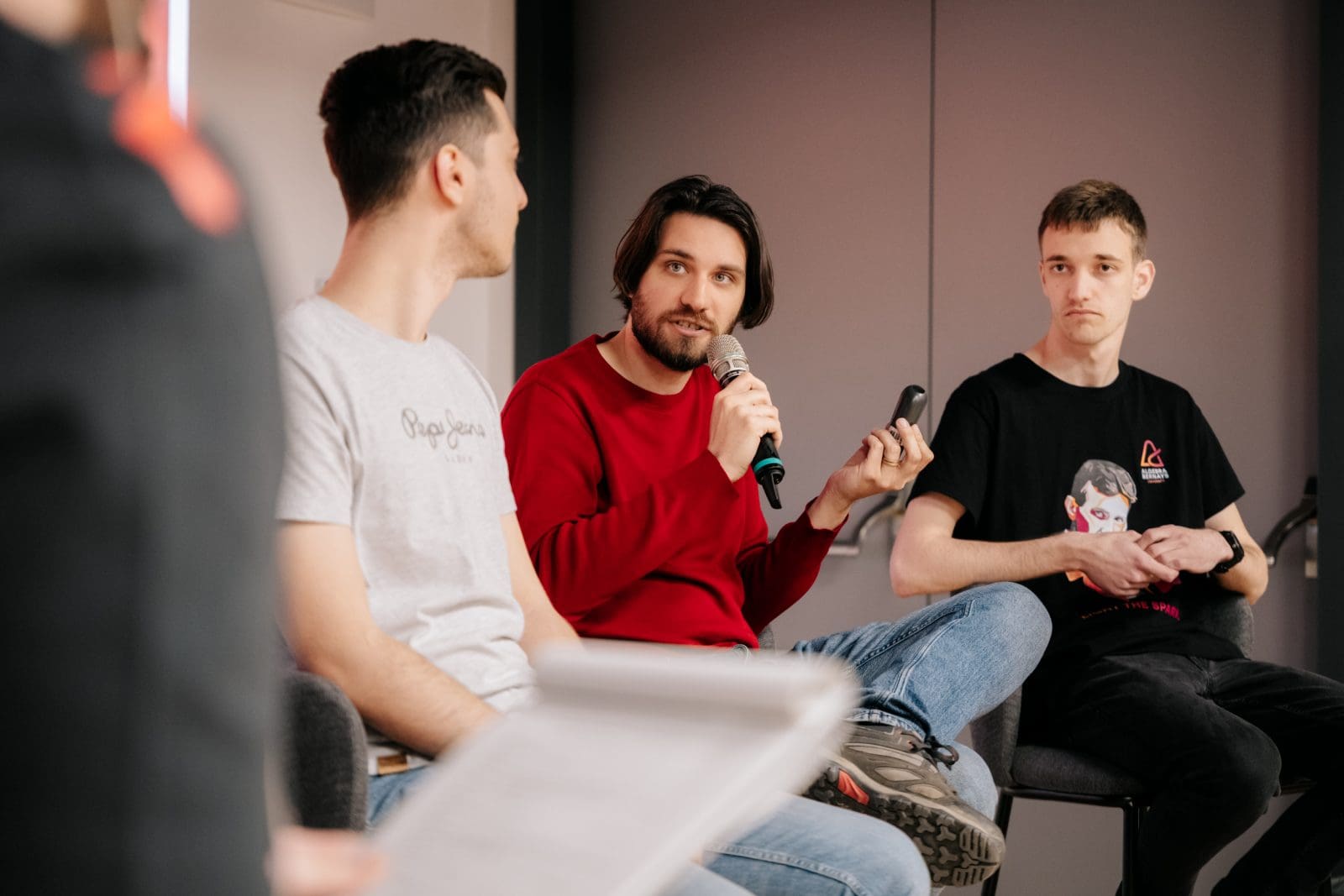
“Gaming is often equated with esports, but today the scene is much broader. That’s why at A1 Croatia we decided to complement our previous focus on the competitive segment by investing more in community development and projects that bring gaming closer to a wider audience. We want to create an environment that encourages both competition and socializing, learning, and knowledge sharing. This year, we will once again place special emphasis on students, offering them a structured platform to develop their skills and connect with the gaming and technology industries,” said Valentina Leventić, Senior Marketing Communications Specialist at A1 Croatia, responsible for gaming initiatives.

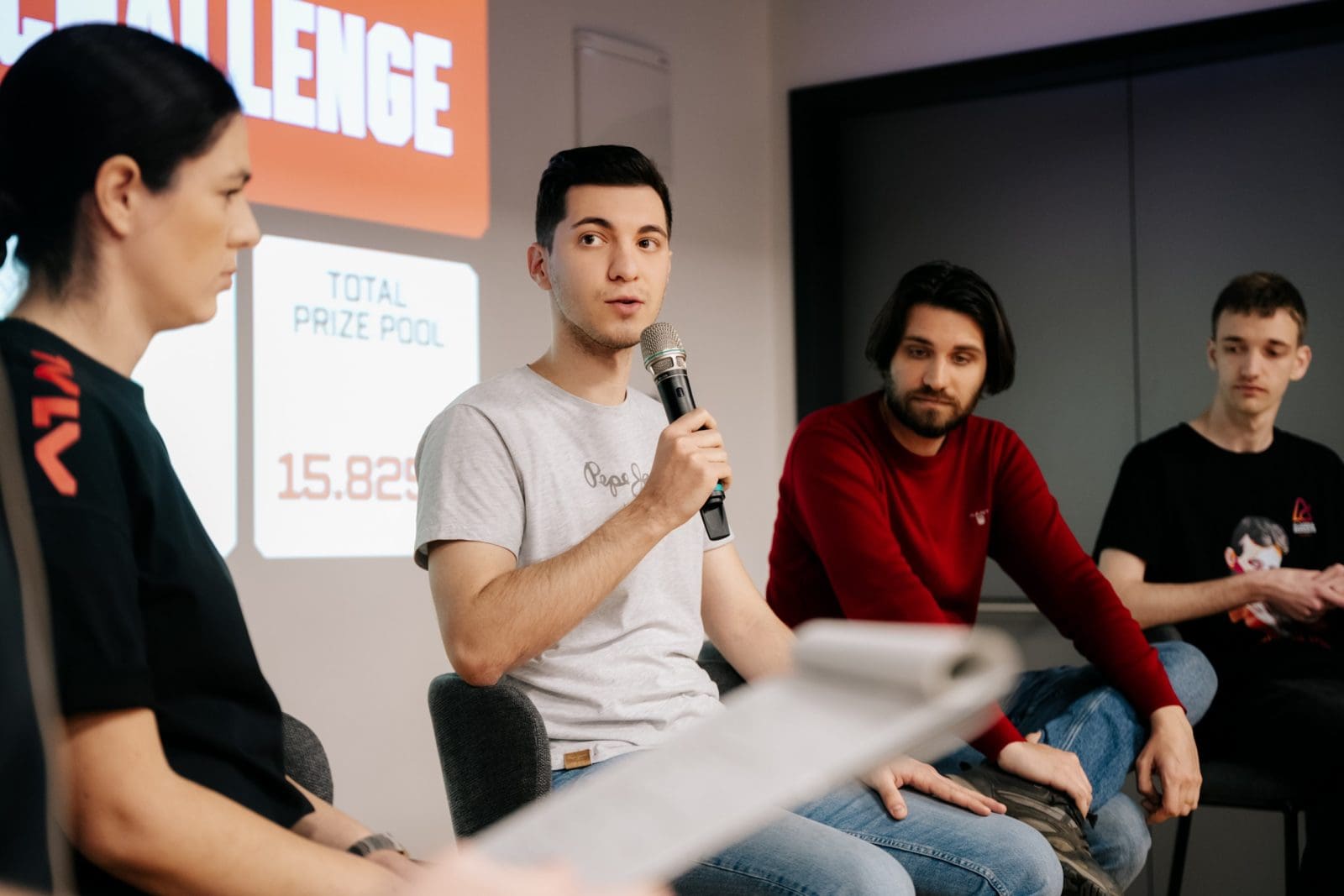
The first step in this direction will be the A1 Student eChallenge (A1SeC), which is entering its seventh season this year and continues to grow in both interest and number of participants. This year’s competition will take place from May 2 to May 31, with a prize pool exceeding €8,000. Participants will compete in titles such as Counter-Strike, League of Legends, Rocket League, and VALORANT.
The A1 Student eChallenge is designed as a platform for developing the student gaming scene, enabling community building, knowledge exchange, and the creation of new opportunities. In the coming period, there are also plans for gradual expansion to a regional level.